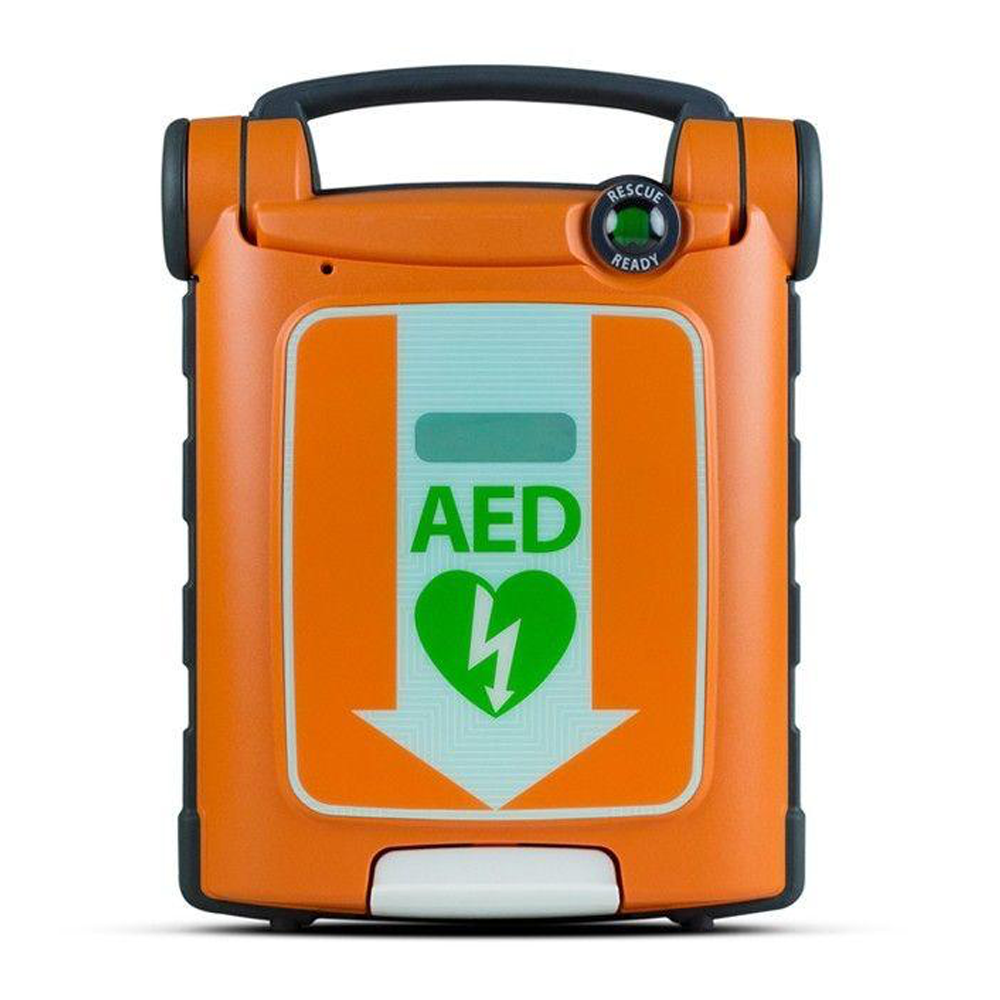
AED's: Automated External Defibrillation

How does it work?

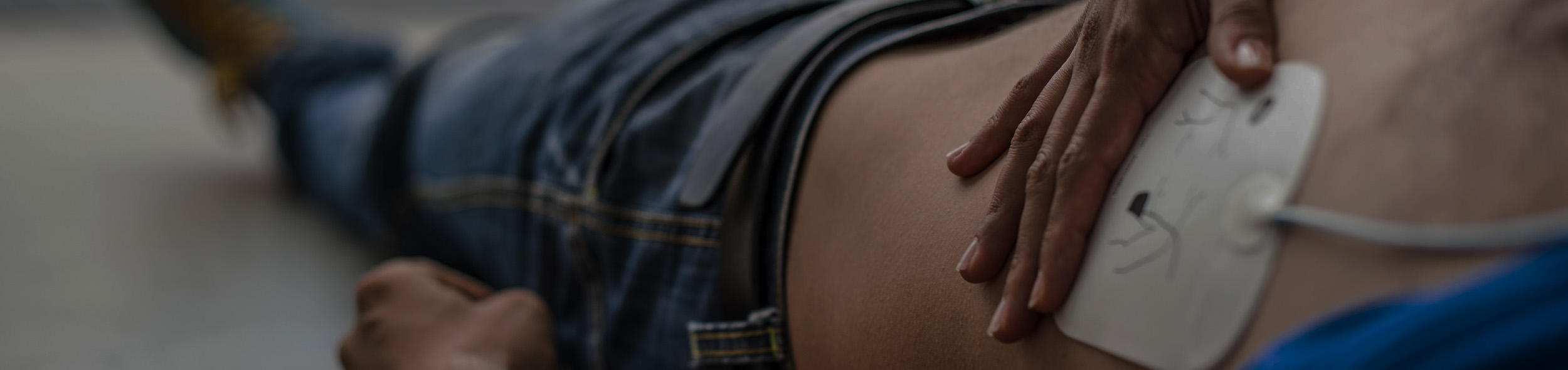
Most patients, when they become pulseless go through a brief period in which the heart goes into a chaotic quivering due to erratic electrical activity. This is called ventricular fibrillation (VF). VF eventually deteriorates into a total absence of electrical activity, often around ten to fifteen minutes after arrest. The best chance to regain a pulse is when a patient in recent VF is shocked quickly - ideally in less than 4-6 minutes after arrest. An AED delivers electrical current through heart muscles, temporarily ceasing all electrical activity in the heart, hoping that when that electrical impulse returns, it will return in an orginzed pumping action instead of VF.

Defibrillation Statistics:

Defibrillation's chances of restoring a pulse decrease rapidly with time.

With the national EMS response time hovering around 8-9 minutes, likelihood of a successful defibrillation by EMS is poor. In fact, the American Heart Association estimates that for every minutes that the patient is not defibrillated, they lose up to 10% off their chance of surviving. A bystander defibrillation, delivered moments after the arrest, can be much more successful. As a result, many companies have begun implementing their own AED response program.


Copyright © 2007 Quick Care Oxygen Systems • Web Site by Empire Advertising & Design, LLC